Gold Color Differences: White Gold, Yellow Gold, and Rose Gold Explained
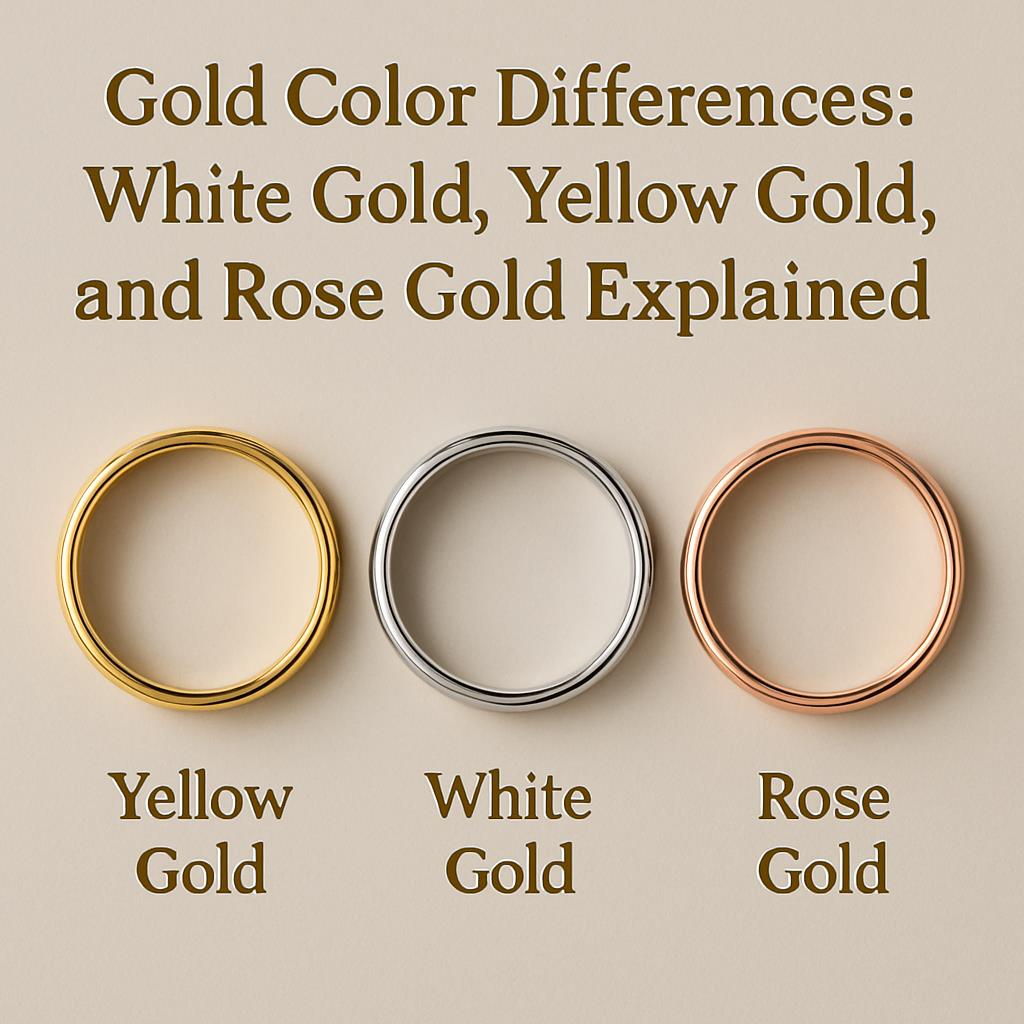
Gold jewelry comes in a variety of stunning colors, each offering a unique appeal and elegance. The three most common gold colors are yellow gold, white gold, and rose gold, and they differ in composition, durability, and aesthetic appeal. Understanding these differences can help you choose the perfect gold jewelry to match your style and preference.
Yellow Gold – The Classic & Timeless Choice
- The most traditional and classic form of gold.
- Requires the least maintenance compared to white gold.
- Hypoallergenic (especially 18K and 24K) with minimal risk of skin irritation.
- A warmer, rich gold color that complements vintage and antique designs.
- Easier to resize and repair compared to white and rose gold.
Best For: Those who love a classic, traditional look or have warmer skin tones. Ideal for wedding bands, engagement rings, and vintage-style jewelry.
White Gold – Modern Elegance with a Platinum Look
- Has a cool, silvery-white appearance, similar to platinum.
- More affordable than platinum but offers a luxurious look.
- More durable and scratch-resistant than yellow and rose gold.
- Complements diamonds and gemstones, making it ideal for engagement rings.
Best For: Those who love modern and contemporary jewelry styles. White gold is perfect for engagement rings, wedding bands, and elegant statement pieces.
Rose Gold – Romantic & Unique Appeal
- A romantic, warm pink hue that complements all skin tones.
- More durable than yellow and white gold due to the addition of copper.
- Vintage-inspired and trendy, offering a unique and stylish look.
- Does not require rhodium plating like white gold.
Best For: Those looking for something unique, vintage-inspired, and trendy. Perfect for fashion-forward individuals, engagement rings, and statement jewelry.
Why Does Gold Come in Different Colors?
Pure gold (24K) is naturally yellow, but it’s too soft for everyday jewelry. To make it stronger, jewelers mix it with other metals—this process is called alloying. The type and amount of alloy metals used determine the final color of the gold:
- Yellow Gold: Mixed with copper and silver to retain the classic warm golden tone.
- White Gold: Mixed with white metals like palladium, nickel, or manganese and coated in rhodium.
- Rose Gold: Mixed primarily with copper, giving it a pinkish hue.
💡 In short: Gold's color depends on the metal alloys used. That’s why one ring may be yellow, another white, and another rose—each blend creates a different visual effect and strength.
Which Gold Color is Right for You?
- Your personal style – Do you prefer classic, modern, or romantic?
- Your skin tone – Yellow gold suits warm tones, white gold suits cool tones, rose gold flatters all.
- Maintenance – White gold needs more care; yellow and rose gold are lower maintenance.
- Durability – White and rose gold are harder than yellow gold due to alloy content.
At Gandy Jewelry, we offer a wide selection of yellow, white, and rose gold jewelry, allowing you to find the perfect piece that reflects your personality and style.
Final Thoughts
Each gold color has its own charm and advantages. Whether you love the timeless elegance of yellow gold, the modern sophistication of white gold, or the romantic warmth of rose gold, there is a perfect piece waiting for you.
💎 Explore our collection at Gandy Jewelry and find your perfect gold hue today!